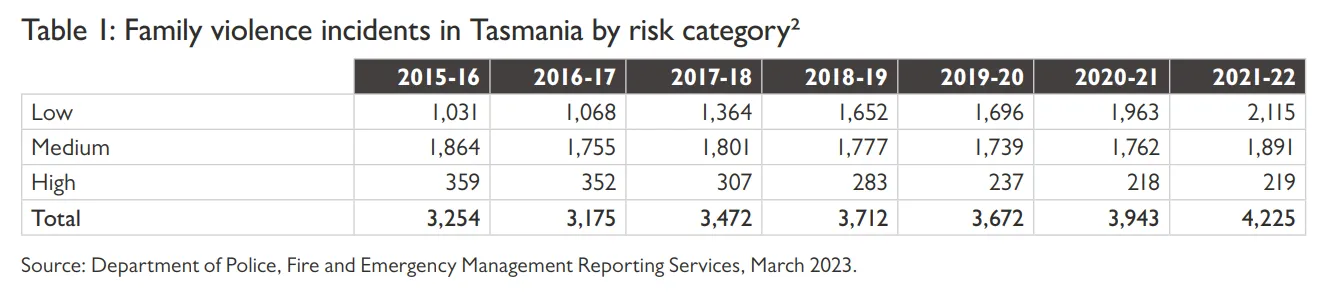
All the increase is in the low-risk categories which include emotional abuse and coercive control. "I'd be confident to say the physical side of the violence is probably actually decreasing," Fiona says, but the expanded definition means valuable police resources are being spent on policing people who raise their voices or are mean to their partner's cat.
"If you throw a bigger net, you catch more fish, don't you? I think if we keep expanding the definition everyone's relationship is going to come under the definition of family violence. That bothers me because what happens then is that spreads the resources so thin that if police are out attending low-risk homes they could potentially miss a call for a high-risk home where someone could potentially die," Fiona explains.
Advertisement
So much good sense from this impressive woman who finds herself in this pivotal role, training police to deal effectively and fairly with this important social problem. Do help me circulate my video conversation with her - it deserves a large audience.
Fiona Girkin's story is such a contrast with the scene at the other end of our country – where the Queensland police union is doing the feminists bidding, lobbying the government for police to be able to hand out violence orders like parking tickets, setting up more men to end up in prison. But, who knows, maybe Tasmania's idea of an impartial police force will catch on?
Discuss in our Forums
See what other readers are saying about this article!
Click here to read & post comments.
2 posts so far.




 reddit this
 Del.icio.us
 Seed Newsvine
 StumbleUpon


