
A bomb plunges through the floors of an office building: its denizens look on in astonishment, cower in terror or fall through the holes left in its wake. This is an illustration from a book published in March 1939 by the Tecton group of architects, Planned A.R.P., which described their plan for bomb-proofing the London borough of Finsbury. Tecton helped bring European influences to British architecture, from constructivism to Le Corbusier. In the 1930s, they designed several iconic buildings - literally so, in the case of Finsbury Health Centre, which was used on a 1942 propaganda poster to symbolise the benefits of modern medicine.
I’ll talk a bit more about the plan itself below, but it’s the drawings, and especially the people, which really caught my eye. They are cartoonish, childish even, but still convey horror. They were drawn by Gordon Cullen, later a well-known architect in his own right.
Advertisement

The scything effect of splinters (i.e. shrapnel) on pedestrians.

A crowd crushes into a covered trench shelter in a blind panic, unaware that there is an empty shelter just down the street.

This shelter is full. A woman has fainted. The buildings above ground are already broken shells; another raid appears to be in progress. The shelter warden tries to keep anyone else from coming in.
Advertisement
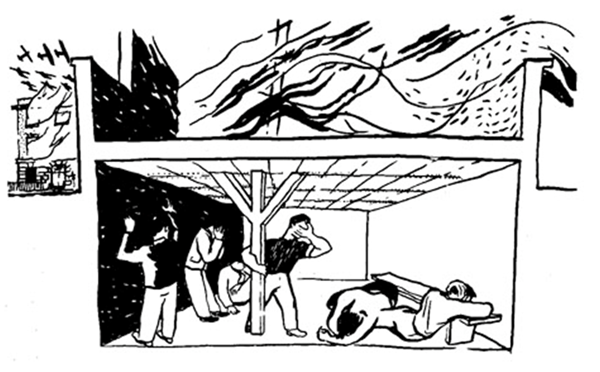
Shelterers in a basement suffocating to death as the fire above consumes their oxygen. Formations of bombers wheel overhead.
Discuss in our Forums
See what other readers are saying about this article!
Click here to read & post comments.
1 post so far.




 reddit this
 Del.icio.us
 Seed Newsvine
 StumbleUpon


